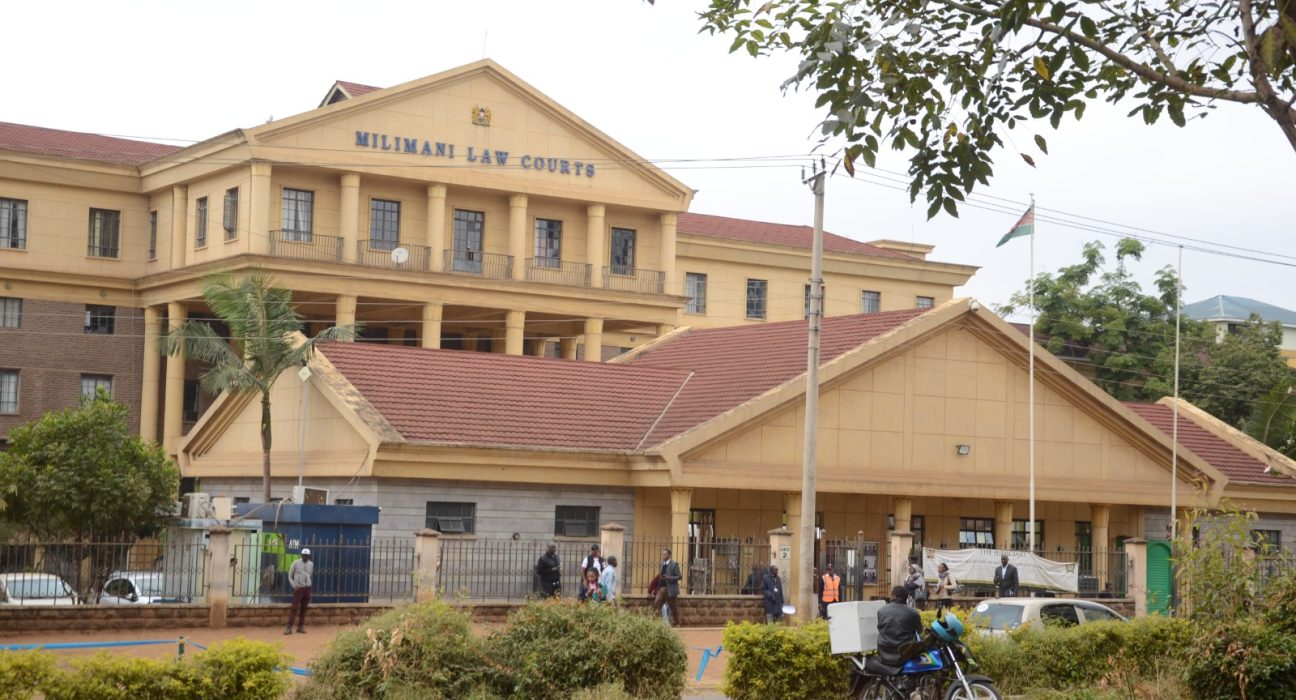
A major legal challenge has been filed at the High Court seeking to suspend the newly enacted Privatization Act, 2025, with petitioners warning that the law is unconstitutional and threatens Kenya’s control over key public assets.
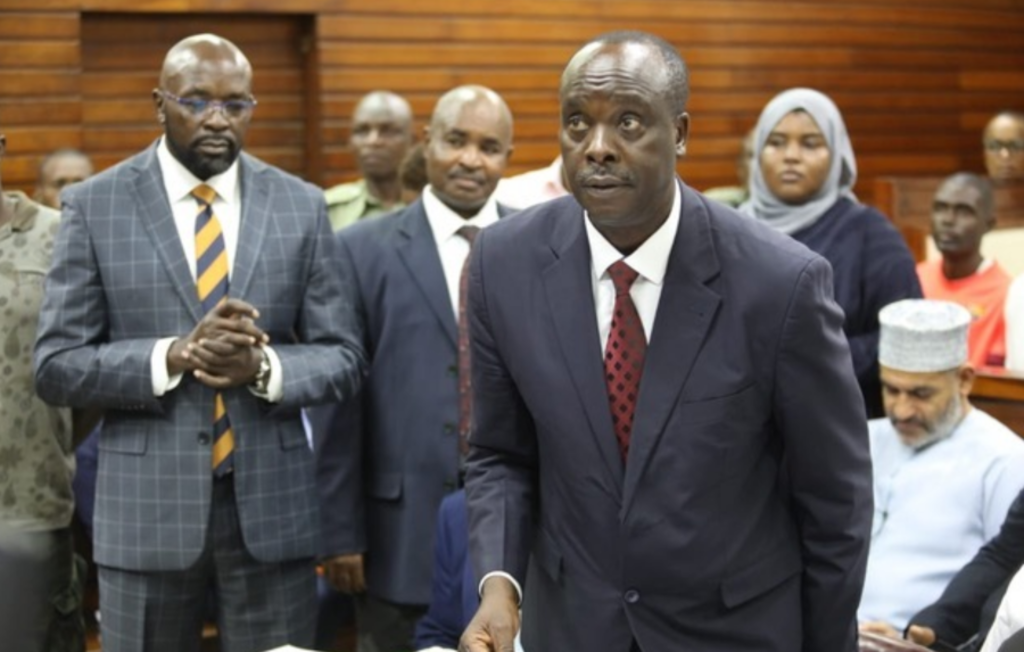
The case has been brought by Omar Faruk Maalim and Abdulhakim Dahir Sheikh, who want the court to urgently halt the National Assembly, the Attorney General, and the Treasury Cabinet Secretary from implementing the Act.
The petitioners argue that the Act, which came into force on 4 November 2025, was enacted without meaningful public participation, contrary to Articles 10 and 118 of the Constitution.
They say Parliament only issued one public notice inviting memoranda, and no submissions were received. They also accuse the National Assembly of failing to use social media or wider channels to meaningfully engage citizens.
They add that only four stakeholders ICPAK, PwC, KEPSA and the Law Society of Kenya gave views, and that alleged public forums in all counties had no proof of attendance or minutes.
The petitioners claim this fell far below the constitutional threshold and rendered the passage of the law defective.
Beyond procedure, they warn that the Act gives sweeping powers to the Treasury Cabinet Secretary, particularly under Section 21(1), which allows the CS to identify and determine which public bodies will be privatized.
They argue that this sidelines Parliament and excludes the public, creating a dangerous imbalance of power and risking decisions made without oversight.
The petitioners caution that privatizing critical sectors such as water, energy, ports, transport and telecommunications will hand sovereign control of essential national assets to private and unaccountable corporate actors.
They say this could create monopolies, weaken state capacity, and lead to undervaluation of strategic assets sold at throw-away prices, permanently shrinking government revenue.
They also argue that privatization threatens socio-economic rights under Article 43, including health, housing, education and sanitation, as essential services could become unaffordable for vulnerable citizens.
The petitioners now want the court to suspend implementation of the Act pending the hearing of the application and the main petition, which they say should be given priority due to its national significance.