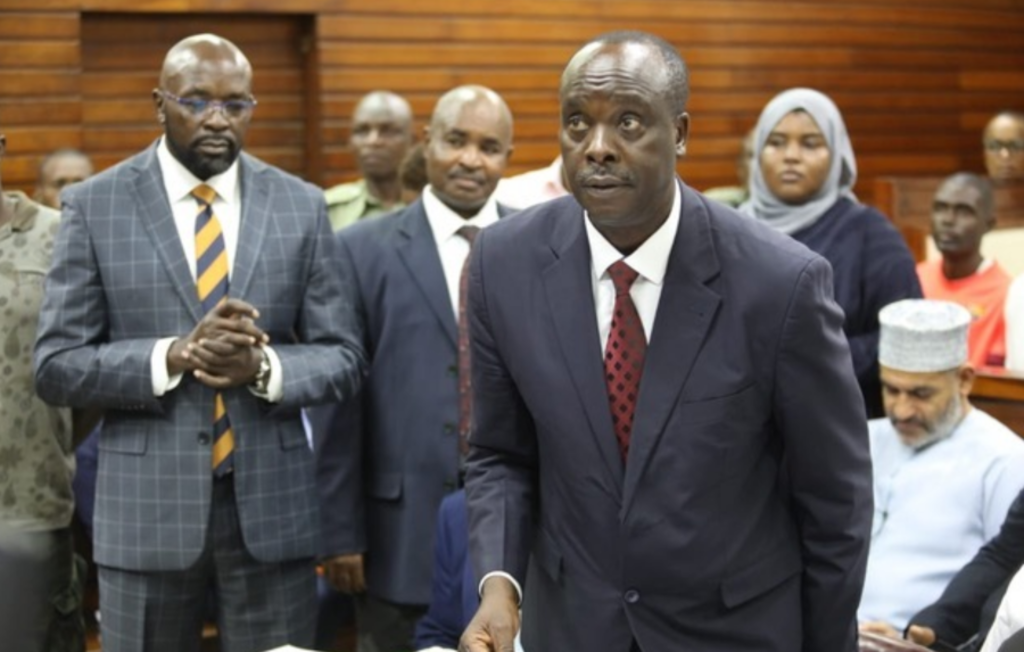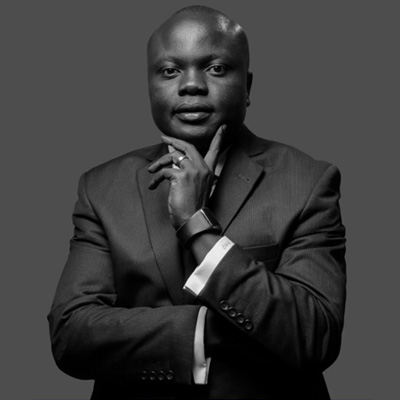
Advocate Peter Wanyama has issued a blistering statement warning that the legal profession is under direct attack following orders issued by the High Court in Nakuru barring all public entities from hiring external law firms.
In the statement dated January 12, 2026, Wanyama an LSK presidential candidate personally takes issue with orders made in Nakuru High Court Petition No. 001 of 2026 by Justice Samuel Muhochi, arguing that the decision is unconstitutional, far-reaching, and threatens the very survival of legal practice in Kenya.
Wanyama states that Article 227 of the Constitution expressly allows public entities to procure legal services as long as the process is fair, transparent, competitive, and cost-effective, insisting that a court cannot suspend a clear constitutional provision through interim or ex parte orders.
He explains that public institutions routinely engage external law firms to bridge capacity gaps, handle complex or novel litigation, and avoid conflicts of interest that in-house counsel cannot manage. According to Wanyama, banning the hiring of law firms ignores practical realities and exposes public bodies to serious legal and financial risk.
In his letter, Wanyama further notes that law firms are legally required to maintain professional indemnity insurance—often running into millions or billions of shillings—which cushions public entities against losses arising from professional negligence, protection that does not exist where matters are handled internally.
Using election disputes as an example, he points out that institutions such as the IEBC face hundreds of petitions simultaneously, making it “humanly impossible” for a small in-house legal team to cope without external legal support.
Wanyama also questions the legality of freezing pending payments owed to law firms, some of which arise from valid contracts or even court orders of mandamus issued by judges of concurrent jurisdiction, warning that such directives create conflicts in enforcement of court orders and violate public policy.
Addressing Justice Muhochi directly, Wanyama questions how substantive and nationwide orders could be issued at an ex parte stage and against all public entities in Kenya, most of which are not parties to the case.
“This court order is not a mistake,” Wanyama states, describing it as part of a broader and deliberate effort to undermine the legal profession and diminish the status of advocates. He warns that the decision threatens the livelihoods of lawyers and the organic solidarity that has historically defined the relationship between the Bench and the Bar.
Wanyama says he will actively participate in the Nakuru proceedings to seek the setting aside or quashing of the impugned orders, insisting that the future of the legal profession depends on a strong, assertive, and united response.