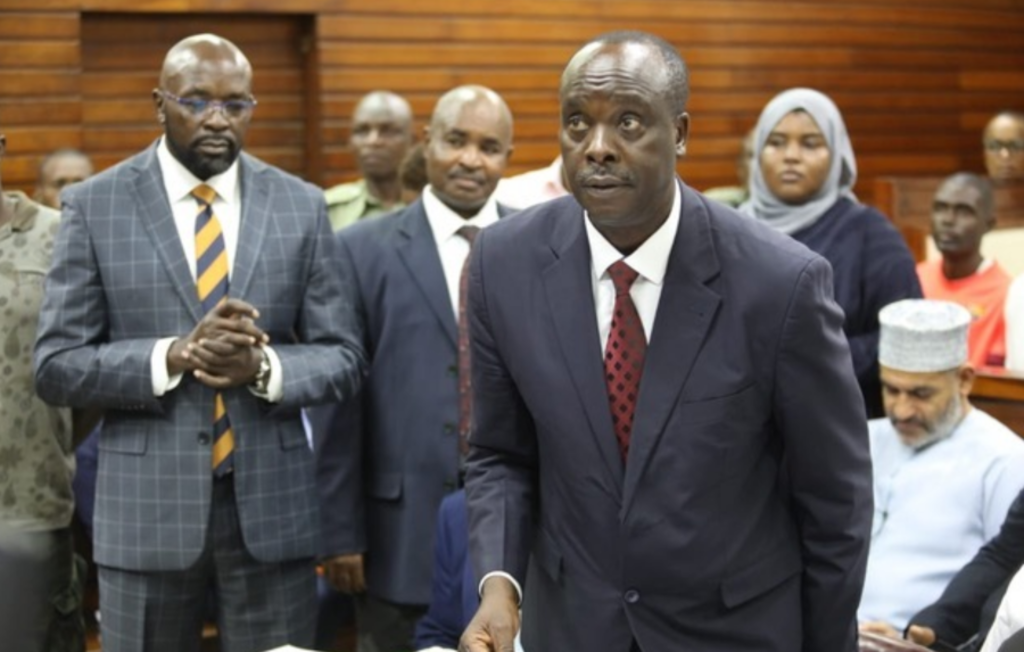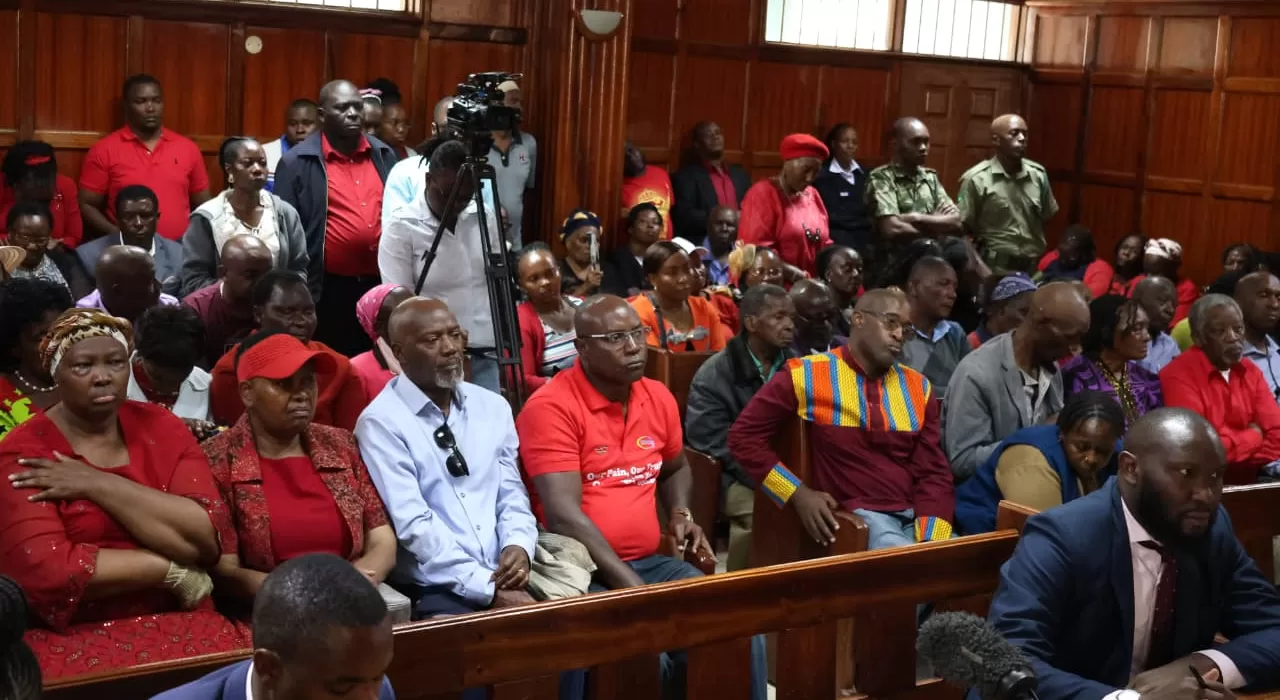
A High Court ruling has dealt a major setback to victims of the August 7, 1998 Nairobi bomb blast and families of those who died, after the court dismissed a petition seeking compensation from the government, finding that it lacked legal merit.
For survivors and bereaved families, the decision went beyond a legal outcome, reopening wounds that have remained raw for more than two decades since one of Kenya’s deadliest terror attacks.
In the judgment, Justice Lawrence Mugambi held that the petitioners failed to prove that the government had prior knowledge or actionable intelligence about the impending attack that could have enabled authorities to prevent it.
The court noted that while the victims relied on several reports to support their claims, the authors of those documents did not testify in court. As a result, the material was treated as hearsay and found to be legally inadmissible.
“It cannot be established, on the basis of the material placed before this court, that the government was aware of the attack or that it failed to act on any intelligence,” the judge ruled.
Justice Mugambi further observed that there was no evidence demonstrating that the United States government blamed Kenya for failing to prevent the bombing.
The petitioners had approached the court seeking not only compensation but also acknowledgment of their suffering and accountability from the State. They argued that the government failed in its constitutional duty to protect citizens and had neglected victims despite the loss of life, permanent injuries, and psychological trauma caused by the attack.
Some survivors told the court they have lived for years with disabilities, mounting medical costs, and lost livelihoods, while families of those killed said their grief had been compounded by what they viewed as State neglect.
However, the court emphasized that sympathy, however justified, could not replace the strict legal requirement for credible and admissible evidence. The burden of proof, the judge said, lay with the petitioners to demonstrate that actionable intelligence existed and that the government failed to act on it, a threshold the court found had not been met.
The petition was consequently dismissed, leaving victims with renewed disappointment and unanswered questions more than 25 years after the bombing.
Lawyers from Kituo cha Sheria, who represented the victims, expressed disappointment with the judgment and indicated that they intend to move to a higher court to challenge the decision.