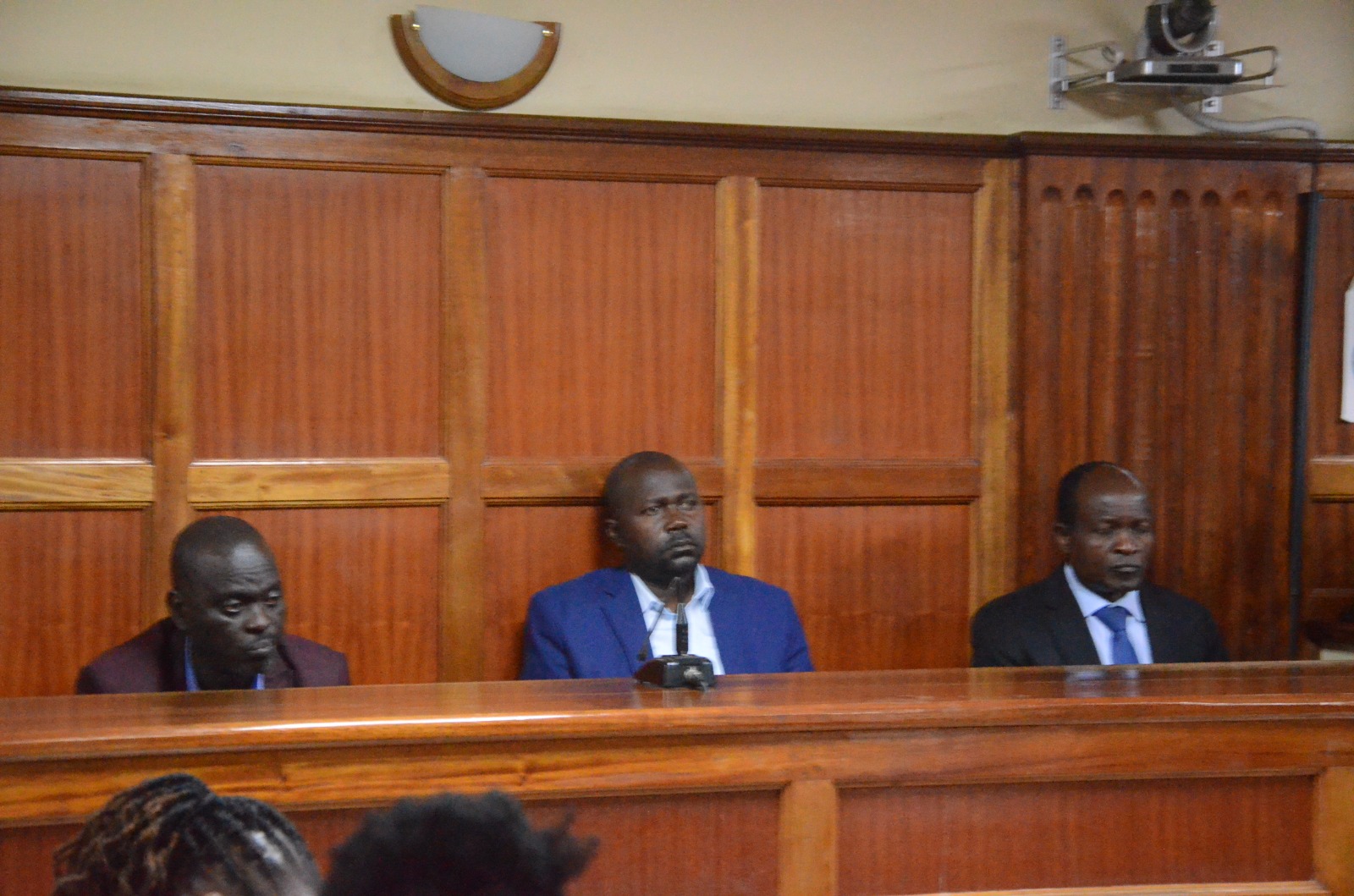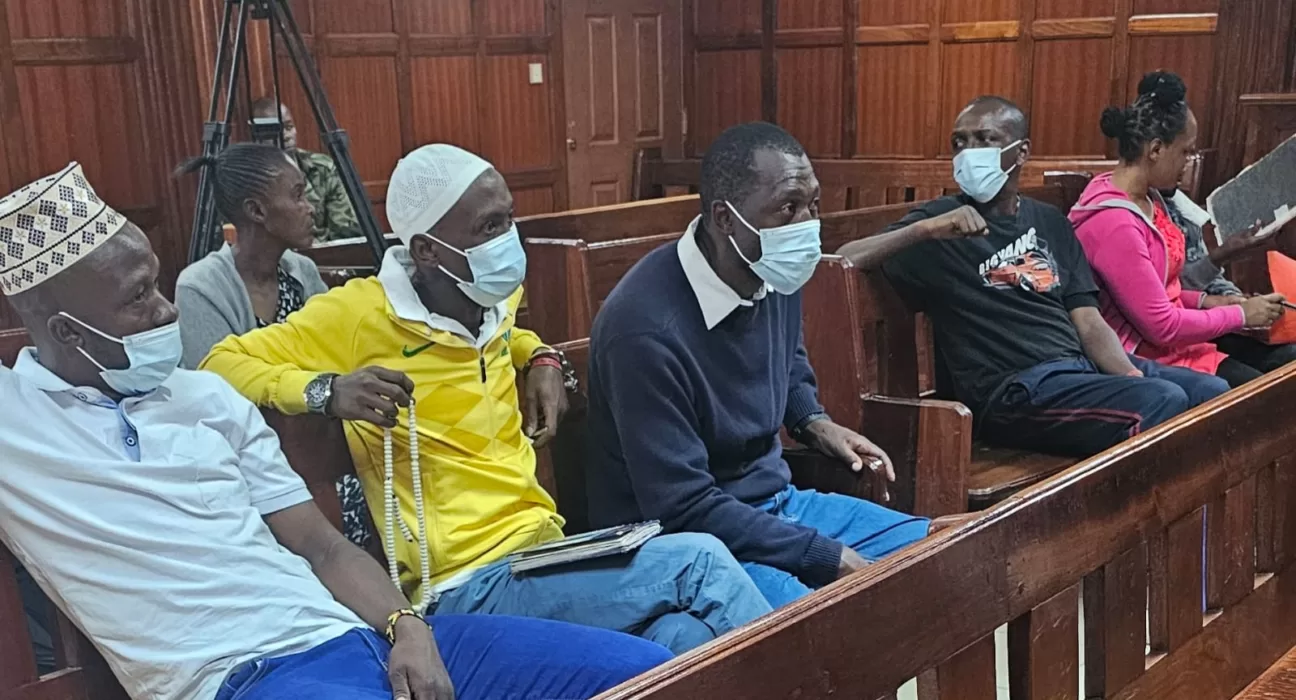
The High Court has declined to order the blanket release of inmates charged or convicted of robbery with violence, warning that such a move would pose a serious threat to public safety and destabilise the criminal justice system.
In a judgment delivered by Justice Lawrence Mugambi, the court acknowledged that the continued use of certain robbery with violence provisions in the Penal Code has violated the constitutional rights of accused persons, noting that some of the sections had previously been declared unconstitutional.
The judge observed that despite clear judicial pronouncements, the State has continued to charge suspects under the impugned provisions. He noted that this conduct amounted to disregard of court decisions and infringed the rights to a fair trial and due process.
However, the court held that ordering the immediate release or acquittal of all persons charged or convicted under the provisions would be neither fair nor responsible. It warned that a blanket order would create confusion, paralyse ongoing prosecutions, and expose the public to potential harm.
The court stressed that each criminal case must be considered on its own merits, stating that a sweeping remedy would ignore the unique facts and circumstances of individual cases.
The petition arose from challenges to prosecutions under Sections 295, 296(1), 296(2), and 297 of the Penal Code, which define and prescribe penalties for robbery with violence and attempted robbery with violence. The petitioners argued that despite earlier rulings in March 2018 declaring aspects of the provisions unconstitutional, the State had continued to rely on them.
In balancing constitutional accountability with public interest, the court invoked the doctrine of suspended invalidity. It declared Sections 295 and 297 unconstitutional but suspended the effect of that declaration to give the State time to amend the law.
The judge noted that an abrupt nullification would leave police, prosecutors, and courts without a legal framework for handling violent robbery cases, creating a dangerous legal vacuum.
The court directed the Attorney General to file an affidavit every six months for a period of 18 months, detailing steps taken to cure the constitutional defects and reporting on progress made in Parliament toward enacting compliant legislation.
The suspension will run until midnight on June 30, 2026.
The court warned that once the suspension period lapses, the declaration of invalidity will take effect automatically. From midnight on June 30, 2027, any pending or new charges, prosecutions, or convictions founded solely on Sections 295 and 297 of the Penal Code will stand quashed for unconstitutionality, and any person held exclusively under those provisions will be released.