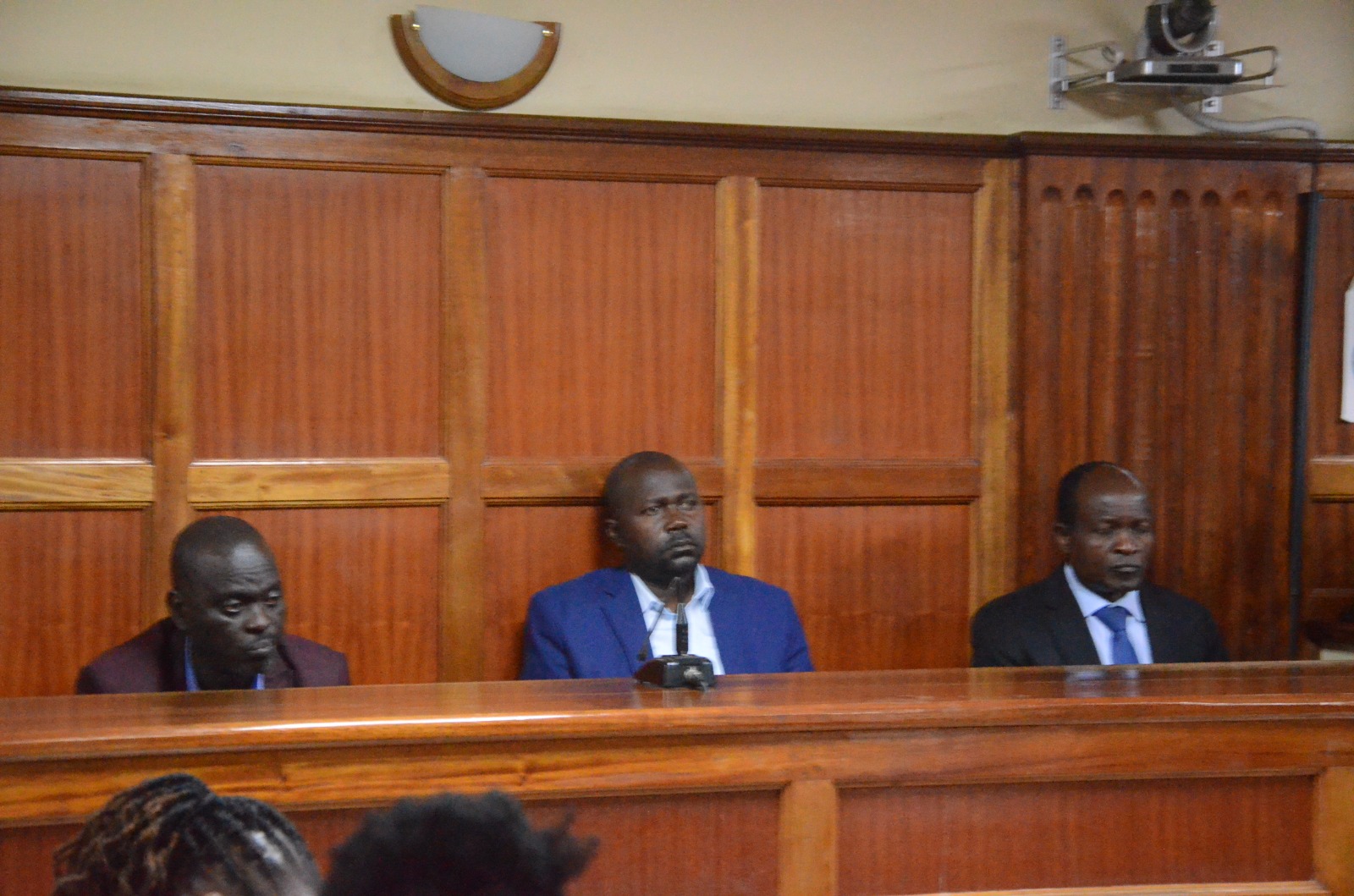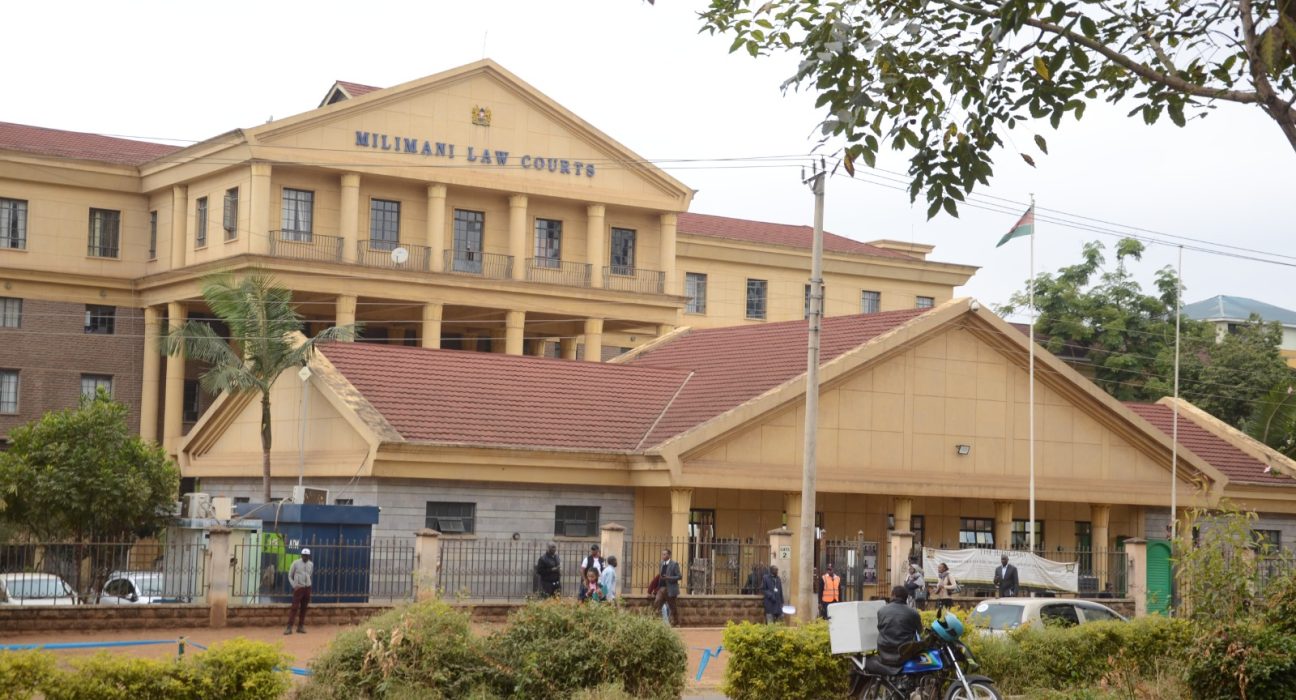
The High Court in Nairobi has overturned a magistrate’s decision that refused to allow the Director of Public Prosecutions (DPP) to withdraw fraud charges against businessmen Jayesh Tribhovan Chavda and Tribhovan Lalji Chavda in Criminal Case E988 of 2024.
Delivering the ruling on September 17, 2025, Justice Alexander Muasya Muteti held that the DPP acted within his constitutional mandate when he moved to terminate the case upon learning that two different investigative arms of the police were pursuing parallel inquiries into the same Sh 112 M million dispute.
Justice Muteti observed that the DPP’s move was not delayed or calculated to shield the accused, but instead was taken almost immediately after the discovery of the duplicate investigations. “The DPP did not move the lower court for the withdrawal of the matter after a protracted delay. The action was almost spontaneous thus the court view[s] the move as having been timeously made so as to avert an injustice to the accused,” the judge stated.
He emphasized that Article 157 of the Constitution allows the DPP to discontinue proceedings at any stage before judgment, and that leave of the court to withdraw should not be denied unless there is clear evidence of bad faith.
The court warned that continuing with the case despite knowledge of parallel investigations by the Banking Fraud Investigation Unit and DCI Parklands would invite abuse of the criminal justice process.
“To allow the continuation of a matter where the DPP has been made aware of the existence of parallel investigations is to create a window for abuse of the criminal justice process,” Justice Muteti ruled, adding that the DPP would be failing in his duty if he allowed investigators to run multiple files on the same matter without first consolidating and reviewing them.
He described the decision to withdraw as “spot on and in line with the provisions of Article 47 of the Constitution,” praising the prosecution’s swiftness in acting once the conflict was revealed.
The judge also took issue with the manner in which the two separate investigations had been concealed from the DPP, remarking that “this was a clear case where it appears like someone through craft ensured that two parallel investigations were opened but chose to conceal that fact from the DPP.”
He concluded that the trial court should have allowed the DPP the opportunity to independently evaluate both files rather than proceed with charges under such circumstances.
On the role of victims in criminal proceedings, the court was categorical that while they have a right to be heard under the Victims Protection Act, they cannot usurp the prosecutorial mandate.
“The victims cannot, and should not interfere with the DPP’s exercise of his discretion,” the judge said, citing the Supreme Court’s guidance in Joseph Lendrix Waswa v Republic.
He noted that victims may submit information they consider useful, but the decision on whether or not to proceed with charges remains squarely within the DPP’s constitutional authority.
The accused persons had argued that allowing the case to continue in its current form would expose them to double jeopardy and deny them access to exculpatory evidence held in the BFIU file.
They warned that they risked being subjected to two trials arising from the same complaint, which would prejudice their right to a fair hearing. Justice Muteti acknowledged this concern, finding that the DPP’s intention to review both files was a fair and reasonable step taken in the public interest to ensure justice is not only done but seen to be done.
“The DPP in seeking to be allowed an opportunity to review the two files was in all fairness acting in the public interest to give the matter a deeper consideration and evaluation,” he said.
In his final orders, Justice Muteti quashed the magistrate’s ruling, allowed the withdrawal of the charges under section 87(a) of the Criminal Procedure Code, and reminded courts to only interfere with the DPP’s discretion sparingly. “Whereas the trial court has powers to interfere with the DPP’s exercise of discretion to discontinue the charges, the court must do so sparingly and only in exceptional and in the clearest of cases of abuse of discretion by the DPP,” the ruling concluded.
The decision effectively brings the case against the Chavdas to a halt for now, pending the DPP’s consolidation and review of the two investigative files.
The prosecution still retains the power to re-charge the accused if, after reviewing all evidence, it concludes that there is a proper basis to proceed.