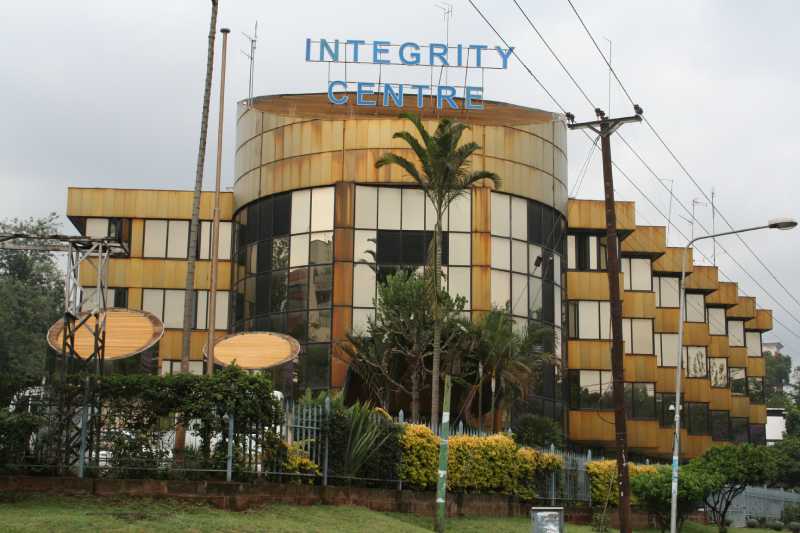
The Ethics and Anti-Corruption Commission (EACC) has moved to defend the Presidential Multi-Agency Team on the War Against Corruption (MAT-WAC), telling the High Court that the body is consistent with the country’s constitutional framework and does not undermine the independence of oversight institutions.
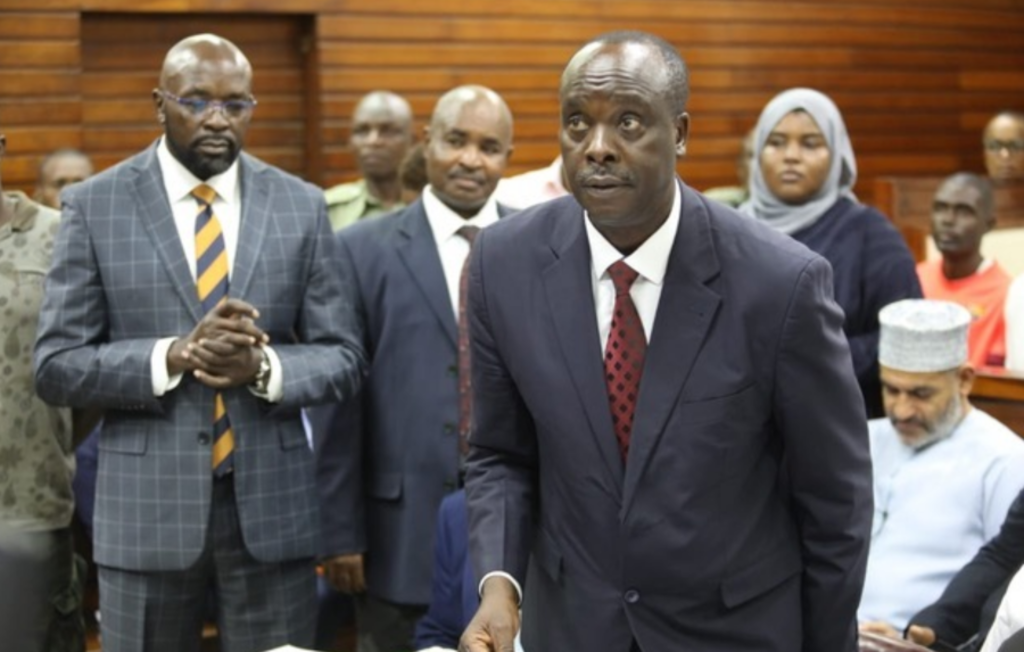
In response filed before court, the commission’s Director of Legal Services and Asset Recovery, David Too, explained that the EACC fully backs the multi-agency initiative provided its autonomy is respected. He described MAT-WAC as a vehicle for strengthening collaboration between agencies that already bear different mandates in the fight against graft.
Too noted that the commission was established under Article 79 of the Constitution and anchored in the EACC Act, 2011, giving it a clear duty to combat corruption and economic crimes. However, he stressed that independence does not translate to operating in isolation, adding that corruption networks are complex and require institutions to work together. According to him, MAT-WAC was conceived to enable intelligence sharing, resource pooling, and harmonized investigations that would improve asset recovery and prosecution of offenders.
The contested framework was unveiled through a Presidential proclamation on August 18, 2025, bringing together eleven strategic state organs and regulators ranging from the Office of the President and the Attorney General to the National Intelligence Service, Directorate of Criminal Investigations, and the Office of the Director of Public Prosecutions. Others roped in include the Central Bank of Kenya, Kenya Revenue Authority, the Asset Recovery Agency, the Financial Reporting Centre, and the Public Procurement Regulatory Authority.
EACC insists that these institutions are repositories of vital information that, when shared, can break long-standing barriers in graft investigations. The commission further argues that the team provides a platform for resource mobilization, private sector engagement, and coordinated public communication about gains made in tackling corruption.
The affidavit was filed in opposition to a petition by Dr. Magare-Gikenyi and others, who have asked the court to declare the President’s directive unconstitutional. The petitioners contend that MAT-WAC is a duplication of existing mechanisms and accuse the Head of State of exercising powers that the Constitution expressly denies him. They argue that bringing agencies such as the Central Bank, ODPP, and NIS under a presidentially convened team undermines their independence and risks turning their work into a political instrument.
EACC maintains that it welcomes the MAT-WAC framework “in principle,” provided its independence remains intact, and has urged the court to dismiss the petition. The commission insists that the success of Kenya’s anti-graft campaign cannot be achieved through fragmented approaches but through coordinated efforts that recognize the distinct but complementary mandates of the institutions involved.