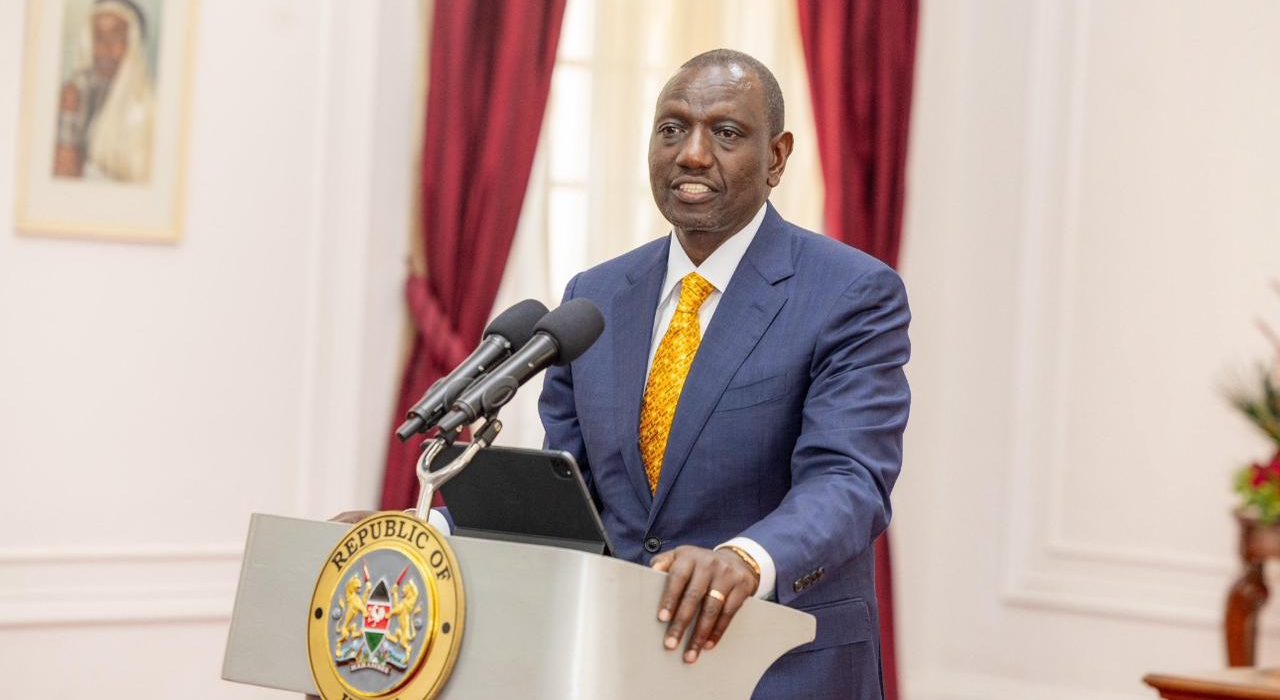
Human rights activists have petitioned the High Court to stop the implementation of President William Ruto’s recently established Presidential Panel of Experts on Compensation of Victims of Demonstrations and Public Protests, terming it unconstitutional and a misuse of taxpayers’ money.
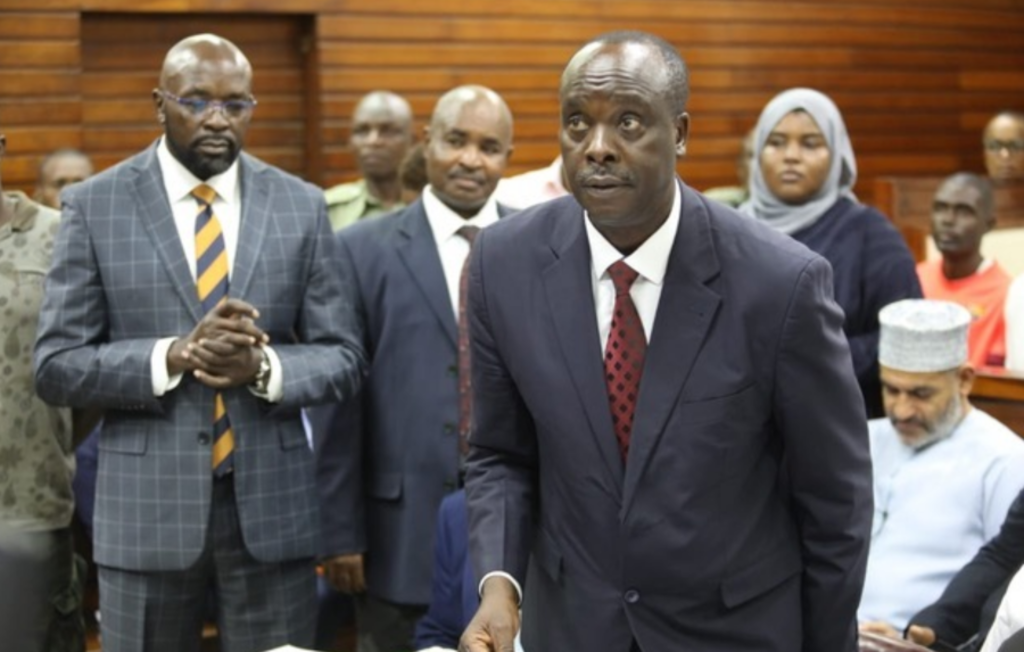
In an urgent application, Dr. Magare-Gikenyi B., Eliud Karanja Matindi, Philemon Abuga Nyakundi, and Dishon Keroti Mogire argue that the President exceeded his constitutional mandate by creating the panel through a proclamation on August 6, later formalized in Gazette Notice No. 12002 of August 25.
According to the petitioners, the Constitution does not grant the Head of State authority to form ad hoc bodies to handle compensation or reparations, functions that are already vested in independent institutions such as the Kenya National Commission on Human Rights (KNCHR), the Victims Protection Agency (VPA), the Independent Policing Oversight Authority (IPOA), the Office of the Director of Public Prosecutions (ODPP), and the Judiciary.
The 26-member panel, chaired by Prof. Makau Mutua, includes Faith Odhiambo, Kennedy Ogeto, Irungu Houghton, Dr. John Olukuru, Rev. Fr. Kennedy Simiyu, and Dr. Linda Musumba, among others. It was given 120 days, extendable, to design a compensation framework, authenticate victim data, recommend reparations and prosecutions, and propose reforms in the management of public protests.
While acknowledging that compensating protest victims is a worthwhile initiative, the petitioners insist it should be undertaken within a lawful framework by existing bodies rather than a politically appointed team.
They further argue that allocating public funds to the panel violates principles of transparency, accountability, and prudent use of resources under Article 201 of the Constitution. They also fault the President for failing to disclose the source of funds or whether Parliament approved the expenditure through the national budget.
The activists now want the High Court to issue conservatory orders suspending all activities of the panel including report writing, recommendations, and implementation until their case is fully heard and determined.